
The Art of Dissemination our Revelation

Learn How to Outreach
and Avoid Unnecessary Disappointments—
“The kingdom of heaven is like leaven…”
Our hearts ache for you and the other Urantia Book readers who have endured discrimination while trying to bring the 5th Epochal Revelation to their fellows. From threats and lost scholarships to being cast out of churches or even losing employment, the pain is real. It’s unjust, but it’s also a call to wisdom.
Let's craft ways together to apply the teachings with care, building guidelines utilizing your experiences and drawing from the revelation’s spirit of love and free will (1:2.1), to protect our community while sharing its light. While our young friends are especially vulnerable, people of all ages can gain from this substantiated guidance.
Why This Guidance? — Real Stories of Discrimination
We’ve seen the harm when eager outreach clashes with fear-based views:
- Christian missions withdrawing scholarships upon discovering that their charges studied The Urantia Book, labeling it "non-Christian."
- Church leaders excluding members while initiating prayer circles to "drive out Satan," seeing the
epochal revelation as a threat.
- Jobs lost or reprimands issued by employers when the book was discussed at work.
- Clergy acting as gatekeepers, enforcing rules through fear rather than love.
- Expulsions from social clubs and settings, driven by misconceptions and myths of Urantia superiority.
These experiences, and others, common in areas with strong religious oversight, show why we must approach with humility. We can avoid confrontation and build bridges, as Jesus did: “I want to set men free so that they can start out afresh as little children upon the new and better life.” (140:8.26)
Guidelines for Applying The Urantia Book Teachings with Religionists
- Build Trust First: Start with warmth and a genuine smile—let them know you’re a friend. Avoid critiques or any hint of superiority. While it is tempting to "set people straight" with an epochal revelation as a backbone, a simple 'I’m glad we can talk about faith' sets a safe and respectful tone.
- When meeting a neighbor, spend weeks just being helpful—share meals, help with chores, listen to their stories. Only after genuine friendship exists might you say, ‘You know, your question about why bad things happen... I've been studying some ideas that bring me comfort. Would you like to talk?’
- “Relate yourself to every man as if you were in his place. Recompense injury with kindness. If you love people, they will draw near you—you will have no difficulty in winning them.” (131:8.4)
- Find Common Ground: Always begin by highlighting what you share—a love for Jesus, a commitment to service, the power of prayer, trust, forgiveness and hope. Agree that helping others, sharing small acts of kindness, are central to building a better world. This builds bridges without debate.
- At a church coffee hour, when someone mentions mission work, respond: ‘I love how Jesus sent out his apostles to serve. The idea that God's love is meant to be lived, not just believed—that touches me deeply.’
- Share Wisdom Gently: Frame teachings softly—e.g., ‘But could it not be this way, that God’s love guides us all directly, like a quiet friend inside?’ Speak with kindness, not as an authoritarian lecture. If asked, 'Where’s that from?’ you can say, ‘From a book I’ve found helpful.’ Gauge their
openness; if they become worried about your soul, gently return to common ground. Often, it is wise not to mention your source at all until deep trust is established, which can take considerable time and your patience.
- Address Misunderstandings with Care: If they fear Satan’s influence (a rebellion myth, 53:9.2), affirm your shared faith: 'I’m your brother/sister in Christ, seeking the same truth,' or 'We are all children of God in one human family,' or 'We’re all on a journey together.' This connection neutralizes conflict.
- If someone says, ‘That sounds like a cult,’ respond calmly: ‘I understand your concern. I'm a follower of Jesus, just exploring deeper questions about God's universe. My faith has only grown stronger.’ Your peaceful confidence often dissolves fear.
- “If you truly desire to overcome the habit of criticizing some friend, the quickest and surest way of achieving such a change of attitude is to establish the habit of praying for that person every day of your life.” (91:5.3) But you need to let the person know and come in intimate social contact.
- Avoid Changing Others: Entering groups to convert will almost always backfire. It is not worth the anguish that is created. Instead train yourself to become a listener and friend first—let your beloved teachings’ light shine through your own actions (140:8.26). Change comes from growth and your example, hardly from persuasion. Ask open-ended questions (e.g., 'What brings you joy in faith?') to shift focus from conversion to mutual learning.
- Some of us have tried to proselytize the way we have observed Christians do with their Bibles. This should not be attempted.
- Consider Joining Christian Communities: The Urantia Book encourages us to spread the “good news.” While overall membership in Christian churches is shrinking, we can join them. An easy way to start is by attending church events (e.g., potlucks) to integrate socially, enhancing community ties.
- One reader attended a progressive Methodist church for three years before mentioning The Urantia Book. By then, they were teaching Sunday school, serving meals at the homeless shelter, and known for their Christlike character. When the pastor said, ‘Whatever you're reading, it's clearly bearing good fruit. Tell me more.’ Trust first, revelation second. Find the fascinating and inspiring modest proposal by our brother Fred here.
Introducing the UB to Other Religionists Safely:
The same principles apply when engaging Muslims, Hindus, or others—build trust, find common ground (e.g., one God in Islam, cosmic unity in Hinduism), and share gently.
[This section should be expanded to include more religions. Any help welcome!]
- With Muslims (Sufi groups are often particularly open), emphasize shared monotheism (1:0.1: "The Universal Father").
- With Hindus: How to Relate the Urantia View of the Soul to Hindu Reincarnation
Start with what’s shared: Both traditions agree that human existence is part of a spiritualevolution. The Hindu calls this samsara — the soul’s journey through many lives toward moksha (liberation). The Urantia Book calls it soul evolution — the progressive growth of the morontia soul toward Paradise perfection.
- Clarify the difference: Hinduism often sees this growth as many returns to the material world. The Urantia Book instead presents it as an upward ascent through spiritual worlds, each more real and luminous than the last. The cycle of learning continues — but not as repeated earthly rebirths.
- Phrase it so the Hindu can nod along: You can say something like:
‘The Urantia Book also teaches that the soul evolves through many stages of learning, but these stages unfold after death in higher realms instead of returning to material birth. It’s still evolution, still karma transformed into spiritual education — but in an eternal, forward-moving way rather than circular rebirth.’ - Add a bridge metaphor: Reincarnation is like going back to school year after year in the same grade until you master it. The Urantia path is like graduating to higher schools, each world a new classroom — same goal, different school system.
- Close with the spiritual common ground: Both faiths honor the soul’s divinity, the importance of righteous living, and the ultimate goal of union with God.
The Urantia revelation simply extends that journey beyond this planet — a cosmic moksha. (Moksha is seen as the liberation from the cycle of rebirth, which might not be unlike our goal of Fusion.) - With Buddhists, link the practice of meditation and the pursuit of inner quiet. Acknowledge the challenge of the restless "monkey mind," and suggest that the Urantia Papers offer a complementary view that validates and expands upon their disciplined path. The revelation describes the ideal state as a "mind of perfect poise, housed in a body of clean habits, stabilized neural energies, and balanced chemical function—when the physical, mental, and spiritual powers are in triune harmony of development." (110:6.4)
This perfectly aligns with the Buddhist monastic focus on clean living, mental discipline, and balanced energy. You can frame this as a shared understanding: that such a balanced life is the foundation not just for inner peace, but for receiving a "maximum of light and truth." This creates a profound point of connection, showing that the Urantia revelation honors their path while offering a unified vision of physical, mental, and spiritual growth.
- We may also offer, “There is absolutely no self-request or other element of personal interest in true worship; we simply worship God for what we comprehend him to be. Worship asks nothing and expects nothing for the worshiper. We do not worship the Father because of anything we may derive from such veneration; we render such devotion and engage in such worship as a natural and spontaneous reaction to the recognition of the Father's matchless personality and because of his lovable nature and adorable attributes." (5:3.3)
This aligns with the right intention and motivation for Buddhist meditation. As in every religion there are different paths and we can only offer an incomplete examples. Meditation’s purpose is to alleviate suffering and attain liberation, while becoming insight into impermanence, suffering, non-self, rather than ego-driven goals.
In any case, always avoid superiority—say, 'This book deepened my faith; might it resonate with yours?' If challenged, listen first: 'I value your wisdom—let’s explore together.'

Digital Outreach Wisdom
Sharing Online: Special Considerations:
- Public profiles: Employers and institutions increasingly check social media. Consider whether prominent Urantia Book posts align with your professional situation.
- Anonymous sharing: Reddit, forums, and discussion groups allow exploration without personal exposure. Use these wisely.
- Comment carefully: On religious posts, add value without "correcting" people. A thoughtful question often opens doors better than a proclamation.
- Private messages: If someone seems genuinely curious, offer to chat privately rather than debate publicly.
- Remember permanence: Internet posts last forever. Ask: "Will I be comfortable with this in five years?"
When NOT to Share—Recognize When to Wait:
- Crisis moments: When someone is grieving, facing illness, or in distress, offer comfort—not cosmology. Share your presence, not your papers.
- Theological debates: If someone wants to "prove you wrong," smile and say, ‘I respect your faith. Let's focus on serving together.’
- Authority figures in professional settings: Avoid discussing the Urantia Papers with supervisors, clients, or those who have power over your livelihood until relationships are deeply established. In most cases you will recognize the right moment to speak abot your path.
- Trust your Inner Guide: The Indwelling Spirit knows the timing. If you feel hesitation, wait. Rushed sharing often does more harm than good.
These steps empower students of all ages to apply The Urantia Book’s love and free will (1:1.2, and other passages) without fear, turning potential discrimination into constructive dialogue.
And 1:1.2 is one of the most profound, beautiful, and foundational statements in The Urantia Book about the nature of God as a Father and the relationship He seeks with His sheer unlimited number of children. It doesn’t just state that free will exists; it illustrates why—because the Father's primary nature is loving, personal, and relational, and such a relationship is only possible between free beings. True love cannot be commanded or coerced; it must be freely given. The Father respects this truth so deeply that He allows billions of beings to reject Him—because relationship without freedom is not love at all. We can learn from the Father Himself when we communicate to others about the Book: Our always goal is relationship, never subjugation.
The Universal Father never imposes any form of arbitrary recognition, formal worship, or slavish service upon the intelligent will creatures of the universes. The evolutionary inhabitants of the worlds of time and space must of themselves—in their own hearts—recognize, love, and voluntarily worship him. The Creator refuses to coerce or compel the submission of the spiritual free wills of his material creatures. The affectionate dedication of the human will to the doing of the Father's will is man's choicest gift to God; in fact, such a consecration of creature will constitutes man's only possible gift of true value to the Paradise Father. In God, man lives, moves, and has his being; there is nothing which man can give to God except this choosing to abide by the Father's will, and such decisions, effected by the intelligent will creatures of the universes, constitute the reality of that true worship which is so satisfying to the love-dominated nature of the Creator Father. (1:1.2)
When Discrimination Happens Despite Your Best Efforts:
- Stay centered: Remember Jesus before Pilate—calm, dignified, unafraid. Your response teaches more than arguments ever could.
- Don't defend, explain: ‘I’m sorry you're troubled. I'm simply seeking truth and trying to follow
Jesus more closely.’
- Forgive immediately: They act from fear, not malice (most often). Hold no bitterness—it only harms your own spirit.
- Seek fellowship elsewhere: The Urantia community is global. You're never alone. Connect with study groups online if local support isn't available. Yes, seek out students in other lands. This revelation grows now digitally, of course that also means globally.
- Document if necessary: If employment or legal issues arise, keep records. Seek counsel from organizations experienced in religious discrimination.
- Learn and adapt: Each experience teaches wisdom for the next conversation. Share your story with fellow readers to help others avoid similar pain. And share here—it is the reason for this SFN group.
Your stories matter! Let’s refine this journey together. This section of proposals is a work in progress. Share your own experiences, whatever they are. Add suggestions. Tell us what we are missing. Your input can help others, so please do not hold back. When you have had experiences with other faiths, share them to refine this guidance for all!
Remember: Every apostle who carried truth into new territory faced rejection. You're part of an eternal pattern—truth-bringers who plant seeds they may never see flower. Your courage matters. Your love matters. And your wisdom in how you share may matter most of all.
"Be you wise as serpents, harmless as doves." Let that be our banner as we carry the Fifth Epochal Revelation into a world that desperately needs its message—but may not yet know it needs its messenger.

Re: [This section should be expanded to include more religions. Any help welcome!]
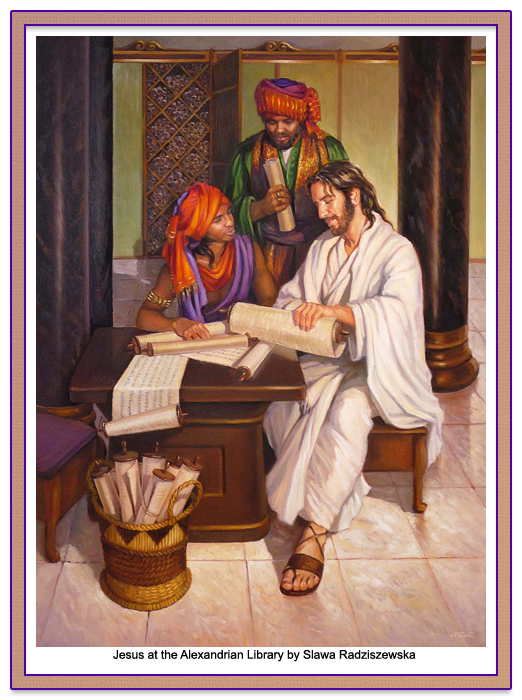
Urantia Religions Compiled by Jesus and Ganid at the Alexandrian Library

Buddhism
Ganid was shocked to discover how near Buddhism came to being a great and beautiful religion without God, without a personal and universal Deity. However, he did find some record of certain earlier beliefs which reflected something of the influence of the teachings of the Melchizedek missionaries who continued their work in India even to the times of Buddha. Jesus and Ganid collected the following statements from the Buddhist literature:
“Out of a pure heart shall gladness spring forth to the Infinite; all my being shall be at peace with this supermortal rejoicing. My soul is filled with content, and my heart overflows with the bliss of peaceful trust. I have no fear; I am free from anxiety. I dwell in security, and my enemies cannot alarm me. I am satisfied with the fruits of my confidence. I have found the approach to the Immortal easy of access. I pray for faith to sustain me on the long journey; I know that faith from beyond will not fail me. I know my brethren will prosper if they become imbued with the faith of the Immortal, even the faith that creates modesty, uprightness, wisdom, courage, knowledge, and perseverance. Let us forsake sorrow and disown fear. By faith let us lay hold upon true righteousness and genuine manliness. Let us learn to meditate on justice and mercy. Faith is man’s true wealth; it is the endowment of virtue and glory.
“Unrighteousness is contemptible; sin is despicable. Evil is degrading, whether held in thought or wrought out in deeds. Pain and sorrow follow in the path of evil as the dust follows the wind. Happiness and peace of mind follow pure thinking and virtuous living as the shadow follows the substance of material things. Evil is the fruit of wrongly directed thinking. It is evil to see sin where there is no sin; to see no sin where there is sin. Evil is the path of false doctrines. Those who avoid evil by seeing things as they are gain joy by thus embracing the truth. Make an end of your misery by loathing sin. When you look up to the Noble One, turn away from sin with a whole heart. Make no apology for evil; make no excuse for sin. By your efforts to make amends for past sins you acquire strength to resist future tendencies thereto. Restraint is born of repentance. Leave no fault unconfessed to the Noble One.
“Cheerfulness and gladness are the rewards of deeds well done and to the glory of the Immortal. No man can rob you of the liberty of your own mind. When the faith of your religion has emancipated your heart, when the mind, like a mountain, is settled and immovable, then shall the peace of the soul flow tranquilly like a river of waters. Those who are sure of salvation are forever free from lust, envy, hatred, and the delusions of wealth. While faith is the energy of the better life, nevertheless, must you work out your own salvation with perseverance. If you would be certain of your final salvation, then make sure that you sincerely seek to fulfill all righteousness. Cultivate the assurance of the heart which springs from within and thus come to enjoy the ecstasy of eternal salvation.
“No religionist may hope to attain the enlightenment of immortal wisdom who persists in being slothful, indolent, feeble, idle, shameless, and selfish. But whoso is thoughtful, prudent, reflective, fervent, and earnest — even while he yet lives on earth — may attain the supreme enlightenment of the peace and liberty of divine wisdom. Remember, every act shall receive its reward. Evil results in sorrow and sin ends in pain. Joy and happiness are the outcome of a good life. Even the evildoer enjoys a season of grace before the time of the full ripening of his evil deeds, but inevitably there must come the full harvest of evil-doing. Let no man think lightly of sin, saying in his heart: ‘The penalty of wrongdoing shall not come near me.’ What you do shall be done to you, in the judgment of wisdom. Injustice done to your fellows shall come back upon you. The creature cannot escape the destiny of his deeds.
“The fool has said in his heart, ‘Evil shall not overtake me’; but safety is found only when the soul craves reproof and the mind seeks wisdom. The wise man is a noble soul who is friendly in the midst of his enemies, tranquil among the turbulent, and generous among the grasping. Love of self is like weeds in a goodly field. Selfishness leads to grief; perpetual care kills. The tamed mind yields happiness. He is the greatest of warriors who overcomes and subdues himself. Restraint in all things is good. He alone is a superior person who esteems virtue and is observant of his duty. Let not anger and hate master you. Speak harshly of no one. Contentment is the greatest wealth. What is given wisely is well saved. Do not to others those things you would not wish done to you. Pay good for evil; overcome evil with the good.
“A righteous soul is more to be desired than the sovereignty of all the earth. Immortality is the goal of sincerity; death, the end of thoughtless living. Those who are earnest die not; the thoughtless are dead already. Blessed are they who have insight into the deathless state. Those who torture the living will hardly find happiness after death. The unselfish go to heaven, where they rejoice in the bliss of infinite liberality and continue to increase in noble generosity. Every mortal who thinks righteously, speaks nobly, and acts unselfishly shall not only enjoy virtue here during this brief life but shall also, after the dissolution of the body, continue to enjoy the delights of heaven.”Confucianism
Even the least God-recognizing of the world’s great religions acknowledged the monotheism of the Melchizedek missionaries and their persistent successors. Ganid’s summary of Confucianism was:
“What Heaven appoints is without error. Truth is real and divine. Everything originates in Heaven, and the Great Heaven makes no mistakes. Heaven has appointed many subordinates to assist in the instruction and uplifting of the inferior creatures. Great, very great, is the One God who rules man from on high. God is majestic in power and awful in judgment. But this Great God has conferred a moral sense even on many inferior people. Heaven’s bounty never stops. Benevolence is Heaven’s choicest gift to men. Heaven has bestowed its nobility upon the soul of man; the virtues of man are the fruit of this endowment of Heaven’s nobility. The Great Heaven is all-discerning and goes with man in all his doings. And we do well when we call the Great Heaven our Father and our Mother. If we are thus servants of our divine ancestors, then may we in confidence pray to Heaven. At all times and in everything let us stand in awe of the majesty of Heaven. We acknowledge, O God, the Most High and sovereign Potentate, that judgment rests with you, and that all mercy proceeds from the divine heart.
“God is with us; therefore we have no fear in our hearts. If there be found any virtue in me, it is the manifestation of Heaven who abides with me. But this Heaven within me often makes hard demands on my faith. If God is with me, I have determined to have no doubt in my heart. Faith must be very near the truth of things, and I do not see how a man can live without this good faith. Good and evil do not befall men without cause. Heaven deals with man’s soul in accordance with its purpose. When you find yourself in the wrong, do not hesitate to confess your error and be quick to make amends.
“A wise man is occupied with the search for truth, not in seeking for a mere living. To attain the perfection of Heaven is the goal of man. The superior man is given to self-adjustment, and he is free from anxiety and fear. God is with you; have no doubt in your heart. Every good deed has its recompense. The superior man murmurs not against Heaven nor holds a grudge against men. What you do not like when done to yourself, do not to others. Let compassion be a part of all punishment; in every way endeavor to make punishment a blessing. Such is the way of Great Heaven. While all creatures must die and return to the earth, the spirit of the noble man goes forth to be displayed on high and to ascend to the glorious light of final brightness.”Cynicism
The residual teachings of the disciples of Melchizedek, excepting those which persisted in the Jewish religion, were best preserved in the doctrines of the Cynics. Ganid’s selection embraced the following:
“God is supreme; he is the Most High of heaven and earth. God is the perfected circle of eternity, and he rules the universe of universes. He is the sole maker of the heavens and the earth. When he decrees a thing, that thing is. Our God is one God, and he is compassionate and merciful. Everything that is high, holy, true, and beautiful is like our God. The Most High is the light of heaven and earth; he is the God of the east, the west, the north, and the south.
“Even if the earth should pass away, the resplendent face of the Supreme would abide in majesty and glory. The Most High is the first and the last, the beginning and the end of everything. There is but this one God, and his name is Truth. God is self-existent, and he is devoid of all anger and enmity; he is immortal and infinite. Our God is omnipotent and bounteous. While he has many manifestations, we worship only God himself. God knows all — our secrets and our proclamations; he also knows what each of us deserves. His might is equal to all things.
“God is a peace giver and a faithful protector of all who fear and trust him. He gives salvation to all who serve him. All creation exists in the power of the Most High. His divine love springs forth from the holiness of his power, and affection is born of the might of his greatness. The Most High has decreed the union of body and soul and has endowed man with his own spirit. What man does must come to an end, but what the Creator does goes on forever. We gain knowledge from the experience of man, but we derive wisdom from the contemplation of the Most High.
“God pours rain upon the earth, he causes the sun to shine upon the sprouting grain, and he gives us the abundant harvest of the good things of this life and eternal salvation in the world to come. Our God enjoys great authority; his name is Excellent and his nature is unfathomable. When you are sick, it is the Most High who heals you. God is full of goodness toward all men; we have no friend like the Most High. His mercy fills all places and his goodness encompasses all souls. The Most High is changeless; and he is our helper in every time of need. Wherever you turn to pray, there is the face of the Most High and the open ear of our God. You may hide yourself from men, but not from God. God is not a great distance from us; he is omnipresent. God fills all places and lives in the heart of the man who fears his holy name. Creation is in the Creator and the Creator in his creation. We search for the Most High and then find him in our hearts. You go in quest of a dear friend, and then you discover him within your soul.
“The man who knows God looks upon all men as equal; they are his brethren. Those who are selfish, those who ignore their brothers in the flesh, have only weariness as their reward. Those who love their fellows and who have pure hearts shall see God. God never forgets sincerity. He will guide the honest of heart into the truth, for God is truth.
“In your lives overthrow error and overcome evil by the love of the living truth. In all your relations with men do good for evil. The Lord God is merciful and loving; he is forgiving. Let us love God, for he first loved us. By God’s love and through his mercy we shall be saved. Poor men and rich men are brothers. God is their Father. The evil you would not have done you, do not to others.
“At all times call upon his name, and as you believe in his name, so shall your prayer be heard. What a great honor it is to worship the Most High! All the worlds and the universes worship the Most High. And with all your prayers give thanks — ascend to worship. Prayerful worship shuns evil and forbids sin. At all times let us praise the name of the Most High. The man who takes shelter in the Most High conceals his defects from the universe. When you stand before God with a clean heart, you become fearless of all creation. The Most High is like a loving father and mother; he really loves us, his children on earth. Our God will forgive us and guide our footsteps into the ways of salvation. He will take us by the hand and lead us to himself. God saves those who trust him; he does not compel man to serve his name.
“If the faith of the Most High has entered your heart, then shall you abide free from fear throughout all the days of your life. Fret not yourself because of the prosperity of the ungodly; fear not those who plot evil; let the soul turn away from sin and put your whole trust in the God of salvation. The weary soul of the wandering mortal finds eternal rest in the arms of the Most High; the wise man hungers for the divine embrace; the earth child longs for the security of the arms of the Universal Father. The noble man seeks for that high estate wherein the soul of the mortal blends with the spirit of the Supreme. God is just: What fruit we receive not from our plantings in this world we shall receive in the next.”
Hinduism
The missionaries of Melchizedek carried the teachings of the one God with them wherever they journeyed. Much of this monotheistic doctrine, together with other and previous concepts, became embodied in the subsequent teachings of Hinduism. Jesus and Ganid made the following excerpts:
“He is the great God, in every way supreme. He is the Lord who encompasses all things. He is the creator and controller of the universe of universes. God is one God; he is alone and by himself; he is the only one. And this one God is our Maker and the last destiny of the soul. The Supreme One is brilliant beyond description; he is the Light of Lights. Every heart and every world is illuminated by this divine light. God is our protector — he stands by the side of his creatures — and those who learn to know him become immortal. God is the great source of energy; he is the Great Soul. He exercises universal lordship over all. This one God is loving, glorious, and adorable. Our God is supreme in power and abides in the supreme abode. This true Person is eternal and divine; he is the primal Lord of heaven. All the prophets have hailed him, and he has revealed himself to us. We worship him. O Supreme Person, source of beings, Lord of creation, and ruler of the universe, reveal to us, your creatures, the power whereby you abide immanent! God has made the sun and the stars; he is bright, pure, and self-existent. His eternal knowledge is divinely wise. The Eternal is unpenetrated by evil. Inasmuch as the universe sprang from God, he does rule it appropriately. He is the cause of creation, and hence are all things established in him.
“God is the sure refuge of every good man when in need; the Immortal One cares for all mankind. God’s salvation is strong and his kindness is gracious. He is a loving protector, a blessed defender. Says the Lord: ‘I dwell within their own souls as a lamp of wisdom. I am the splendor of the splendid and the goodness of the good. Where two or three gather together, there am I also.’ The creature cannot escape the presence of the Creator. The Lord even counts the ceaseless winking of every mortal’s eyes; and we worship this divine Being as our inseparable companion. He is all-prevailing, bountiful, omnipresent, and infinitely kind. The Lord is our ruler, shelter, and supreme controller, and his primeval spirit dwells within the mortal soul. The Eternal Witness to vice and virtue dwells within man’s heart. Let us long meditate on the adorable and divine Vivifier; let his spirit fully direct our thoughts. From this unreal world lead us to the real! From darkness lead us to the light! From death guide us to immortality!
“With our hearts purged of all hate, let us worship the Eternal. Our God is the Lord of prayer; he hears the cry of his children. Let all men submit their wills to him, the Resolute. Let us delight in the liberality of the Lord of prayer. Make prayer your inmost friend and worship your soul’s support. ‘If you will but worship me in love,’ says the Eternal, ‘I will give you the wisdom to attain me, for my worship is the virtue common to all creatures.’ God is the illuminator of the gloomy and the power of those who are faint. Since God is our strong friend, we have no more fear. We praise the name of the never-conquered Conqueror. We worship him because he is man’s faithful and eternal helper. God is our sure leader and unfailing guide. He is the great parent of heaven and earth, possessed of unlimited energy and infinite wisdom. His splendor is sublime and his beauty divine. He is the supreme refuge of the universe and the changeless guardian of everlasting law. Our God is the Lord of life and the Comforter of all men; he is the lover of mankind and the helper of those who are distressed. He is our life giver and the Good Shepherd of the human flocks. God is our father, brother, and friend. And we long to know this God in our inner being.
“We have learned to win faith by the yearning of our hearts. We have attained wisdom by the restraint of our senses, and by wisdom we have experienced peace in the Supreme. He who is full of faith worships truly when his inner self is intent upon God. Our God wears the heavens as a mantle; he also inhabits the other six wide-spreading universes. He is supreme over all and in all. We crave forgiveness from the Lord for all of our trespasses against our fellows; and we would release our friend from the wrong he has done us. Our spirit loathes all evil; therefore, O Lord, free us from all taint of sin. We pray to God as a comforter, protector, and savior — one who loves us.
“The spirit of the Universe Keeper enters the soul of the simple creature. That man is wise who worships the One God. Those who strive for perfection must indeed know the Lord Supreme. He never fears who knows the blissful security of the Supreme, for the Supreme says to those who serve him, ‘Fear not, for I am with you.’ The God of providence is our Father. God is truth. And it is the desire of God that his creatures should understand him — come fully to know the truth. Truth is eternal; it sustains the universe. Our supreme desire shall be union with the Supreme. The Great Controller is the generator of all things — all evolves from him. And this is the sum of duty: Let no man do to another what would be repugnant to himself; cherish no malice, smite not him who smites you, conquer anger with mercy, and vanquish hate by benevolence. And all this we should do because God is a kind friend and a gracious father who remits all our earthly offenses.
“God is our Father, the earth our mother, and the universe our birthplace. Without God the soul is a prisoner; to know God releases the soul. By meditation on God, by union with him, there comes deliverance from the illusions of evil and ultimate salvation from all material fetters. When man shall roll up space as a piece of leather, then will come the end of evil because man has found God. O God, save us from the threefold ruin of hell — lust, wrath, and avarice! O soul, gird yourself for the spirit struggle of immortality! When the end of mortal life comes, hesitate not to forsake this body for a more fit and beautiful form and to awake in the realms of the Supreme and Immortal, where there is no fear, sorrow, hunger, thirst, or death. To know God is to cut the cords of death. The God-knowing soul rises in the universe like the cream appears on top of the milk. We worship God, the all-worker, the Great Soul, who is ever seated in the heart of his creatures. And they who know that God is enthroned in the human heart are destined to become like him — immortal. Evil must be left behind in this world, but virtue follows the soul to heaven.
“It is only the wicked who say: The universe has neither truth nor a ruler; it was only designed for our lusts. Such souls are deluded by the smallness of their intellects. They thus abandon themselves to the enjoyment of their lusts and deprive their souls of the joys of virtue and the pleasures of righteousness. What can be greater than to experience salvation from sin? The man who has seen the Supreme is immortal. Man’s friends of the flesh cannot survive death; virtue alone walks by man’s side as he journeys ever onward toward the gladsome and sunlit fields of Paradise.”Judaism
The Kenites of Palestine salvaged much of the teaching of Melchizedek, and from these records, as preserved and modified by the Jews, Jesus and Ganid made the following selection:
“In the beginning God created the heavens and the earth and all things therein. And, behold, all he created was very good. The Lord, he is God; there is none beside him in heaven above or upon the earth beneath. Therefore shall you love the Lord your God with all your heart and with all your soul and with all your might. The earth shall be full of the knowledge of the Lord as the waters cover the sea. The heavens declare the glory of God, and the firmament shows his handiwork. Day after day utters speech; night after night shows knowledge. There is no speech or language where their voice is not heard. The Lord’s work is great, and in wisdom has he made all things; the greatness of the Lord is unsearchable. He knows the number of the stars; he calls them all by their names.
“The power of the Lord is great and his understanding infinite. Says the Lord: ‘As the heavens are higher than the earth, so are my ways higher than your ways, and my thoughts higher than your thoughts.’ God reveals the deep and secret things because the light dwells with him. The Lord is merciful and gracious; he is long-suffering and abundant in goodness and truth. The Lord is good and upright; the meek will he guide in judgment. Taste and see that the Lord is good! Blessed is the man who trusts God. God is our refuge and strength, a very present help in trouble.
“The mercy of the Lord is from everlasting to everlasting upon those who fear him and his righteousness even to our children’s children. The Lord is gracious and full of compassion. The Lord is good to all, and his tender mercies are over all his creation; he heals the brokenhearted and binds up their wounds. Whither shall I go from God’s spirit? whither shall I flee from the divine presence? Thus says the High and Lofty One who inhabits eternity, whose name is Holy: ‘I dwell in the high and holy place; also with him who is of a contrite heart and a humble spirit!’ None can hide himself from our God, for he fills heaven and earth. Let the heavens be glad and let the earth rejoice. Let all nations say: The Lord reigns! Give thanks to God, for his mercy endures forever.
“The heavens declare God’s righteousness, and all the people have seen his glory. It is God who has made us, and not we ourselves; we are his people, the sheep of his pasture. His mercy is everlasting, and his truth endures to all generations. Our God is governor among the nations. Let the earth be filled with his glory! O that men would praise the Lord for his goodness and for his wonderful gifts to the children of men!
“God has made man a little less than divine and has crowned him with love and mercy. The Lord knows the way of the righteous, but the way of the ungodly shall perish. The fear of the Lord is the beginning of wisdom; the knowledge of the Supreme is understanding. Says the Almighty God: ‘Walk before me and be perfect.’ Forget not that pride goes before destruction and a haughty spirit before a fall. He who rules his own spirit is mightier than he who takes a city. Says the Lord God, the Holy One: ‘In returning to your spiritual rest shall you be saved; in quietness and confidence shall be your strength.’ They who wait upon the Lord shall renew their strength; they shall mount up with wings like eagles. They shall run and not be weary; they shall walk and not be faint. The Lord shall give you rest from your fear. Says the Lord: ‘Fear not, for I am with you. Be not dismayed, for I am your God. I will strengthen you; I will help you; yes, I will uphold you with the right hand of my righteousness.’
“God is our Father; the Lord is our redeemer. God has created the universal hosts, and he preserves them all. His righteousness is like the mountains and his judgment like the great deep. He causes us to drink of the river of his pleasures, and in his light we shall see light. It is good to give thanks to the Lord and to sing praises to the Most High; to show forth loving-kindness in the morning and the divine faithfulness every night. God’s kingdom is an everlasting kingdom, and his dominion endures throughout all generations. The Lord is my shepherd; I shall not want. He makes me to lie down in green pastures; he leads me beside still waters. He restores my soul. He leads me in the paths of righteousness. Yes, even though I walk through the valley of the shadow of death, I will fear no evil, for God is with me. Surely goodness and mercy shall follow me all the days of my life, and I shall dwell in the house of the Lord forever.
“Yahweh is the God of my salvation; therefore in the divine name will I put my trust. I will trust in the Lord with all my heart; I will lean not upon my own understanding. In all my ways I will acknowledge him, and he shall direct my paths. The Lord is faithful; he keeps his word with those who serve him; the just shall live by his faith. If you do not well, it is because sin lies at the door; men reap the evil they plough and the sin they sow. Fret not yourself because of evildoers. If you regard iniquity in your heart, the Lord will not hear you; if you sin against God, you also wrong your own soul. God will bring every man’s work to judgment with every secret thing, whether it be good or evil. As a man thinks in his heart, so is he.
“The Lord is near all who call upon him in sincerity and in truth. Weeping may endure for a night, but joy comes in the morning. A merry heart does good like a medicine. No good thing will God withhold from those who walk uprightly. Fear God and keep his commandments, for this is the whole duty of man. Thus says the Lord who created the heavens and who formed the earth: ‘There is no God beside me, a just God and a savior. Look to me and be saved, all the ends of the earth. If you seek me, you shall find me if you search for me with all your heart.’ The meek shall inherit the earth and shall delight themselves in the abundance of peace. Whoever sows iniquity shall reap calamity; they who sow the wind shall reap the whirlwind.
“Come now, let us reason together,’ says the Lord, ‘Though your sins be as scarlet, they shall be as white as snow. Though they be red like crimson, they shall be as wool.’ But there is no peace for the wicked; it is your own sins which have withheld the good things from you. God is the health of my countenance and the joy of my soul. The eternal God is my strength; he is our dwelling place, and underneath are the everlasting arms. The Lord is near to those who are brokenhearted; he saves all who have a childlike spirit. Many are the afflictions of the righteous man, but the Lord delivers him out of them all. Commit your way to the Lord — trust him — and he will bring it to pass. He who dwells in the secret place of the Most High shall abide under the shadow of the Almighty.
“Love your neighbor as yourself; bear a grudge against no man. Whatsoever you hate do to no man. Love your brother, for the Lord has said: ‘I will love my children freely.’ The path of the just is as a shining light which shines more and more until the perfect day. They who are wise shall shine as the brightness of the firmament and they who turn many to righteousness as the stars forever and ever. Let the wicked forsake his evil way and the unrighteous man his rebellious thoughts. Says the Lord: ‘Let them return to me, and I will have mercy on them; I will abundantly pardon.’
“Says God, the creator of heaven and earth: ‘Great peace have they who love my law. My commandments are: You shall love me with all your heart; you shall have no gods before me; you shall not take my name in vain; remember the Sabbath day to keep it holy; honor your father and mother; you shall not kill; you shall not commit adultery; you shall not steal; you shall not bear false witness; you shall not covet.’
“And to all who love the Lord supremely and their neighbors like themselves, the God of heaven says: ‘I will ransom you from the grave; I will redeem you from death. I will be merciful to your children, as well as just. Have I not said of my creatures on earth, you are the sons of the living God? And have I not loved you with an everlasting love? Have I not called you to become like me and to dwell forever with me in Paradise?’”
Shinto
Only recently had the manuscripts of this Far-Eastern religion been lodged in the Alexandrian library. It was the one world religion of which Ganid had never heard. This belief also contained remnants of the earlier Melchizedek teachings as is shown by the following abstracts:
“Says the Lord: ‘You are all recipients of my divine power; all men enjoy my ministry of mercy. I derive great pleasure in the multiplication of righteous men throughout the land. In both the beauties of nature and the virtues of men does the Prince of Heaven seek to reveal himself and to show forth his righteous nature. Since the olden people did not know my name, I manifested myself by being born into the world as a visible existence and endured such abasement even that man should not forget my name. I am the maker of heaven and earth; the sun and the moon and all the stars obey my will. I am the ruler of all creatures on land and in the four seas. Although I am great and supreme, still I have regard for the prayer of the poorest man. If any creature will worship me, I will hear his prayer and grant the desire of his heart.’
“‘Every time man yields to anxiety, he takes one step away from the leading of the spirit of his heart.’ Pride obscures God. If you would obtain heavenly help, put away your pride; every hair of pride shuts off saving light, as it were, by a great cloud. If you are not right on the inside, it is useless to pray for that which is on the outside. ‘If I hear your prayers, it is because you come before me with a clean heart, free from falsehood and hypocrisy, with a soul which reflects truth like a mirror. If you would gain immortality, forsake the world and come to me.’”Suduanism (Jainism)
The third group of religious believers who preserved the doctrine of one God in India — the survival of the Melchizedek teaching — were known in those days as the Suduanists. Latterly these believers have become known as followers of Jainism. They taught:
“The Lord of Heaven is supreme. Those who commit sin will not ascend on high, but those who walk in the paths of righteousness shall find a place in heaven. We are assured of the life hereafter if we know truth. The soul of man may ascend to the highest heaven, there to develop its true spiritual nature, to attain perfection. The estate of heaven delivers man from the bondage of sin and introduces him to the final beatitudes; the righteous man has already experienced an end of sin and all its associated miseries. Self is man’s invincible foe, and self is manifested as man’s four greatest passions: anger, pride, deceit, and greed. Man’s greatest victory is the conquest of himself. When man looks to God for forgiveness, and when he makes bold to enjoy such liberty, he is thereby delivered from fear. Man should journey through life treating his fellow creatures as he would like to be treated.”Taoism
The messengers of Melchizedek penetrated far into China, and the doctrine of one God became a part of the earlier teachings of several Chinese religions; the one persisting the longest and containing most of the monotheistic truth was Taoism, and Ganid collected the following from the teachings of its founder:
“How pure and tranquil is the Supreme One and yet how powerful and mighty, how deep and unfathomable! This God of heaven is the honored ancestor of all things. If you know the Eternal, you are enlightened and wise. If you know not the Eternal, then does ignorance manifest itself as evil, and thus do the passions of sin arise. This wondrous Being existed before the heavens and the earth were. He is truly spiritual; he stands alone and changes not. He is indeed the world’s mother, and all creation moves around him. This Great One imparts himself to men and thereby enables them to excel and to survive. Even if one has but a little knowledge, he can still walk in the ways of the Supreme; he can conform to the will of heaven.
“All good works of true service come from the Supreme. All things depend on the Great Source for life. The Great Supreme seeks no credit for his bestowals. He is supreme in power, yet he remains hidden from our gaze. He unceasingly transmutes his attributes while perfecting his creatures. The heavenly Reason is slow and patient in his designs but sure of his accomplishments. The Supreme overspreads the universe and sustains it all. How great and mighty are his overflowing influence and drawing power! True goodness is like water in that it blesses everything and harms nothing. And like water, true goodness seeks the lowest places, even those levels which others avoid, and that is because it is akin to the Supreme. The Supreme creates all things, in nature nourishing them and in spirit perfecting them. And it is a mystery how the Supreme fosters, protects, and perfects the creature without compelling him. He guides and directs, but without self-assertion. He ministers progression, but without domination.
“The wise man universalizes his heart. A little knowledge is a dangerous thing. Those who aspire to greatness must learn to humble themselves. In creation the Supreme became the world’s mother. To know one’s mother is to recognize one’s sonship. He is a wise man who regards all parts from the point of view of the whole. Relate yourself to every man as if you were in his place. Recompense injury with kindness. If you love people, they will draw near you — you will have no difficulty in winning them.
“The Great Supreme is all-pervading; he is on the left hand and on the right; he supports all creation and indwells all true beings. You cannot find the Supreme, neither can you go to a place where he is not. If a man recognizes the evil of his ways and repents of sin from the heart, then may he seek forgiveness; he may escape the penalty; he may change calamity into blessing. The Supreme is the secure refuge for all creation; he is the guardian and savior of mankind. If you seek for him daily, you shall find him. Since he can forgive sins, he is indeed most precious to all men. Always remember that God does not reward man for what he does but for what he is; therefore should you extend help to your fellows without the thought of rewards. Do good without thought of benefit to the self.
“They who know the laws of the Eternal are wise. Ignorance of the divine law is misery and disaster. They who know the laws of God are liberal minded. If you know the Eternal, even though your body perish, your soul shall survive in spirit service. You are truly wise when you recognize your insignificance. If you abide in the light of the Eternal, you shall enjoy the enlightenment of the Supreme. Those who dedicate their persons to the service of the Supreme are joyous in this pursuit of the Eternal. When man dies, the spirit begins to wing its long flight on the great home journey.”Zoroastrianism
Zoroaster was himself directly in contact with the descendants of the earlier Melchizedek missionaries, and their doctrine of the one God became a central teaching in the religion which he founded in Persia. Aside from Judaism, no religion of that day contained more of these Salem teachings. From the records of this religion Ganid made the following excerpts:
“All things come from, and belong to, the One God — all-wise, good, righteous, holy, resplendent, and glorious. This, our God, is the source of all luminosity. He is the Creator, the God of all good purposes, and the protector of the justice of the universe. The wise course in life is to act in consonance with the spirit of truth. God is all-seeing, and he beholds both the evil deeds of the wicked and the good works of the righteous; our God observes all things with a flashing eye. His touch is the touch of healing. The Lord is an all-powerful benefactor. God stretches out his beneficent hand to both the righteous and the wicked. God established the world and ordained the rewards for good and for evil. The all-wise God has promised immortality to the pious souls who think purely and act righteously. As you supremely desire, so shall you be. The light of the sun is as wisdom to those who discern God in the universe.
“Praise God by seeking the pleasure of the Wise One. Worship the God of light by joyfully walking in the paths ordained by his revealed religion. There is but one Supreme God, the Lord of Lights. We worship him who made the waters, plants, animals, the earth, and the heavens. Our God is Lord, most beneficent. We worship the most beauteous, the bountiful Immortal, endowed with eternal light. God is farthest from us and at the same time nearest to us in that he dwells within our souls. Our God is the divine and holiest Spirit of Paradise, and yet he is more friendly to man than the most friendly of all creatures. God is most helpful to us in this greatest of all businesses, the knowing of himself. God is our most adorable and righteous friend; he is our wisdom, life, and vigor of soul and body. Through our good thinking the wise Creator will enable us to do his will, thereby attaining the realization of all that is divinely perfect.
“Lord, teach us how to live this life in the flesh while preparing for the next life of the spirit. Speak to us, Lord, and we will do your bidding. Teach us the good paths, and we will go right. Grant us that we may attain union with you. We know that the religion is right which leads to union with righteousness. God is our wise nature, best thought, and righteous act. May God grant us unity with the divine spirit and immortality in himself!
“This religion of the Wise One cleanses the believer from every evil thought and sinful deed. I bow before the God of heaven in repentance if I have offended in thought, word, or act — intentionally or unintentionally — and I offer prayers for mercy and praise for forgiveness. I know when I make confession, if I purpose not to do again the evil thing, that sin will be removed from my soul. I know that forgiveness takes away the bonds of sin. Those who do evil shall receive punishment, but those who follow truth shall enjoy the bliss of an eternal salvation. Through grace lay hold upon us and minister saving power to our souls. We claim mercy because we aspire to attain perfection; we would be like God.”“Our Religion”
After the arduous labor of effecting this compilation of the teachings of the world religions concerning the Paradise Father, Ganid set himself to the task of formulating what he deemed to be a summary of the belief he had arrived at regarding God as a result of Jesus’ teaching. This young man was in the habit of referring to such beliefs as “our religion.” This was his record:
“The Lord our God is one Lord, and you should love him with all your mind and heart while you do your very best to love all his children as you love yourself. This one God is our heavenly Father, in whom all things consist, and who dwells, by his spirit, in every sincere human soul. And we who are the children of God should learn how to commit the keeping of our souls to him as to a faithful Creator. With our heavenly Father all things are possible. Since he is the Creator, having made all things and all beings, it could not be otherwise. Though we cannot see God, we can know him. And by daily living the will of the Father in heaven, we can reveal him to our fellow men.
“The divine riches of God’s character must be infinitely deep and eternally wise. We cannot search out God by knowledge, but we can know him in our hearts by personal experience. While his justice may be past finding out, his mercy may be received by the humblest being on earth. While the Father fills the universe, he also lives in our hearts. The mind of man is human, mortal, but the spirit of man is divine, immortal. God is not only all-powerful but also all-wise. If our earth parents, being of evil tendency, know how to love their children and bestow good gifts on them, how much more must the good Father in heaven know how wisely to love his children on earth and to bestow suitable blessings upon them.
“The Father in heaven will not suffer a single child on earth to perish if that child has a desire to find the Father and truly longs to be like him. Our Father even loves the wicked and is always kind to the ungrateful. If more human beings could only know about the goodness of God, they would certainly be led to repent of their evil ways and forsake all known sin. All good things come down from the Father of light, in whom there is no variableness neither shadow of changing. The spirit of the true God is in man’s heart. He intends that all men should be brothers. When men begin to feel after God, that is evidence that God has found them, and that they are in quest of knowledge about him. We live in God and God dwells in us.
“I will no longer be satisfied to believe that God is the Father of all my people; I will henceforth believe that he is also my Father. Always will I try to worship God with the help of the Spirit of Truth, which is my helper when I have become really God-knowing. But first of all I am going to practice worshiping God by learning how to do the will of God on earth; that is, I am going to do my best to treat each of my fellow mortals just as I think God would like to have him treated. And when we live this sort of a life in the flesh, we may ask many things of God, and he will give us the desire of our hearts that we may be the better prepared to serve our fellows. And all of this loving service of the children of God enlarges our capacity to receive and experience the joys of heaven, the high pleasures of the ministry of the spirit of heaven.
“I will every day thank God for his unspeakable gifts; I will praise him for his wonderful works to the children of men. To me he is the Almighty, the Creator, the Power, and the Mercy, but best of all, he is my spirit Father, and as his earth child I am sometime going forth to see him. And my tutor has said that by searching for him I shall become like him. By faith in God I have attained peace with him. This new religion of ours is very full of joy, and it generates an enduring happiness. I am confident that I shall be faithful even to death, and that I will surely receive the crown of eternal life.
“I am learning to prove all things and adhere to that which is good. Whatsoever I would that men should do to me, that I will do to my fellows. By this new faith I know that man may become the son of God, but it sometimes terrifies me when I stop to think that all men are my brothers, but it must be true. I do not see how I can rejoice in the fatherhood of God while I refuse to accept the brotherhood of man. Whosoever calls upon the name of the Lord shall be saved. If that is true, then all men must be my brothers.
“Henceforth will I do my good deeds in secret; I will also pray most when by myself. I will judge not that I may not be unfair to my fellows. I am going to learn to love my enemies; I have not truly mastered this practice of being Godlike. Though I see God in these other religions, I find him in ‘our religion’ as being more beautiful, loving, merciful, personal, and positive. But most of all, this great and glorious Being is my spiritual Father; I am his child. And by no other means than my honest desire to be like him, I am eventually to find him and eternally to serve him. At last I have a religion with a God, a marvelous God, and he is a God of eternal salvation.”True Religion; The Religion of the Spirit




SO valuable, brother!! Well, done! Needs to be studied by taking apart and slowly ingested.