
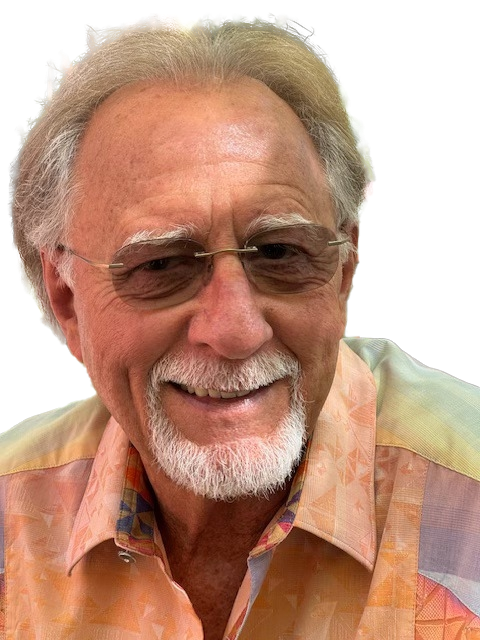
Andre Gendron on gratitude

Andre Gendron on gratitude

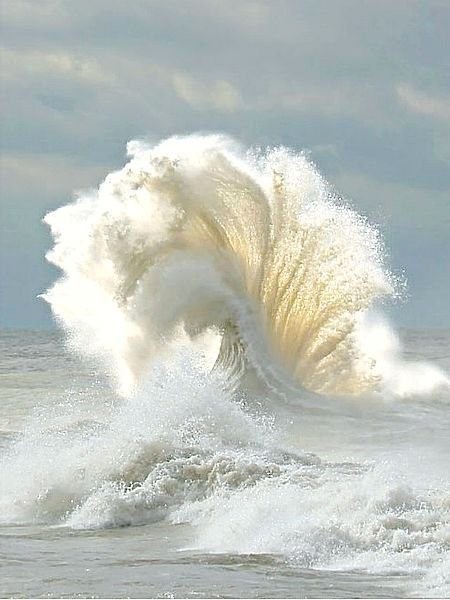
Does your gratitude usually depend on life cooperating with you?
In the world, gratitude is often treated as a mood, a habit, or a useful mindset for feeling better. We are encouraged to count our blessings to feel calmer, more positive, or more at peace. That can be helpful.
But much of the time, this gratitude remains conditional.
I am grateful because something went well.
Because I received what I wanted.
Because I avoided what I feared.
That kind of gratitude can be beautiful, but it can also remain tied to the ego’s accounting system, in which peace depends on outcomes.
There is another kind of gratitude.
Not gratitude because everything looks right on the outside, but gratitude because something true remains untouched within us.
It is the quiet recognition that our safety, innocence, and wholeness were never actually taken from us. Even in difficult moments, there is a place within us that has not been damaged by the story.
This deeper gratitude does not deny pain or force positivity. It simply opens the door to another way of seeing.
Worldly gratitude says,
“Life is good when it gives me what I want.”
Deeper gratitude says,
“I am whole already, and I am willing to see this moment through love.”
A simple way to feel the difference is to notice whether gratitude makes you more dependent on circumstances — or more free of them.




One World Philosophy
There are just three elements in universal reality: fact, idea, and relation. The religious consciousness identifies these realities as science, philosophy, and truth. Philosophy would be inclined to view these activities as reason, wisdom, and faith -- physical reality, intellectual reality, and spiritual reality. We are in the habit of designating these realities as thing, meaning, and value.
Thanks for this touching message.Its encouraging