Please summarise the difference between the biblical story of creation and the 5th Epochal Revelation Urantia Papers story of life evolution on Urantia

Q Please summarise the difference between the biblical story of creation and the 5th Epochal Revelation Urantia Papers story of life evolution on Urantia

1 Answers
A Please summarise the difference between the biblical story of creation and the 5th Epochal Revelation Urantia Papers story of life evolution on Urantia
Biblical Creation Story (Genesis 1–2)
The Bible describes a direct, divine act of creation by God (Yahweh/Elohim) over six days, followed by rest on the seventh. God speaks the universe and Earth into existence out of nothing or formless chaos:
- Day 1: Light and darkness.
- Day 2: Sky/firmament separating waters.
- Day 3: Dry land, seas, and vegetation.
- Day 4: Sun, moon, and stars.
- Day 5: Sea creatures and birds.
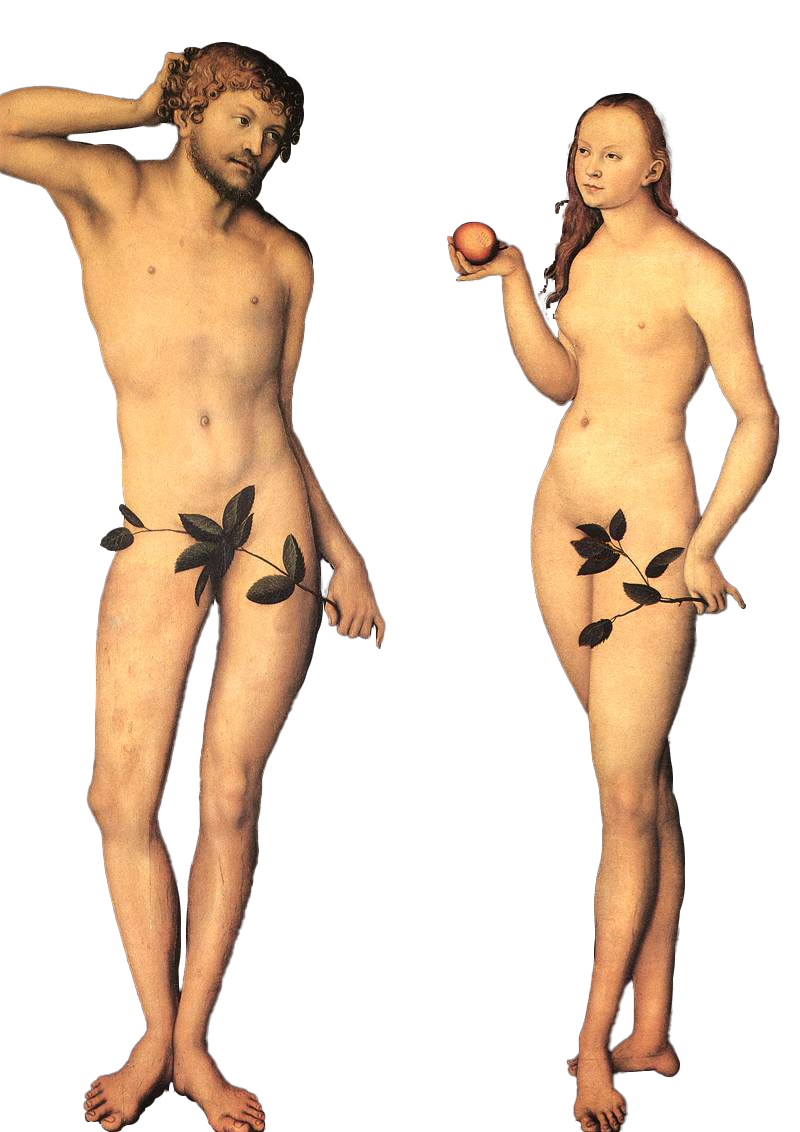
- Day 6: Land animals and humans (created male and female in God’s image from dust/clay, with Eve formed from Adam’s rib in the detailed account).
All “kinds” of life appear fully formed by divine command. Humans are a special, instantaneous creation as the pinnacle of God’s work, with no prior animal ancestry mentioned. The narrative implies a relatively recent, complete creation (traditional young-Earth interpretations date it to ~6,000 years ago, though some view the “days” as long eras). It emphasizes God’s direct sovereignty with no intermediaries or evolutionary process.
Urantia Papers Story of Life Evolution on Urantia (Papers 36, 58, 65, etc.)
The Urantia Book (presented as the Fifth Epochal Revelation) describes a vastly older, guided evolutionary process on Urantia (the universe name for Earth) within a structured, hierarchical cosmos. Life does not arise spontaneously and is not created in a single act. Instead:
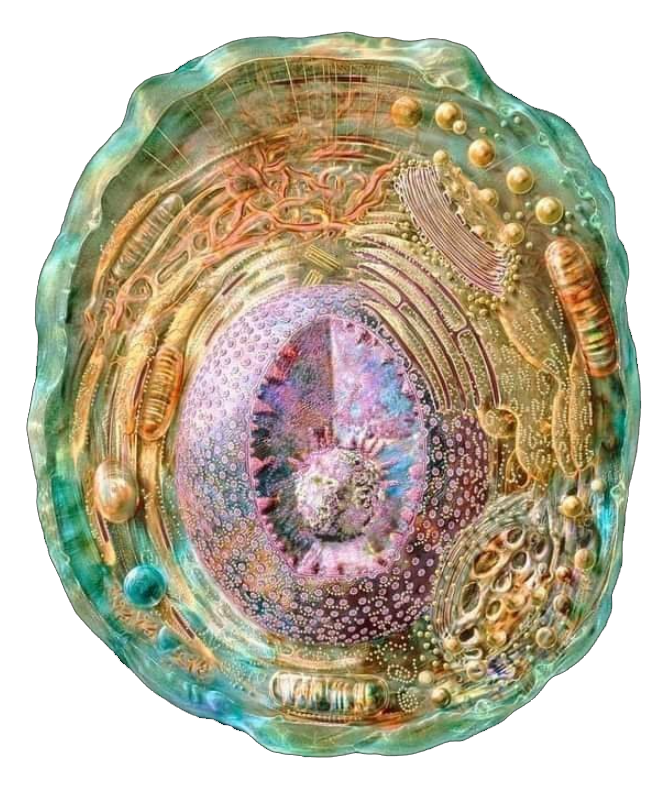
- Life Carriers (a order of celestial beings—offspring of the Creator Son, Universe Mother Spirit, and an Ancient of Days) design and implant the original life patterns.
- ~600 million years ago, they studied Urantia’s physical conditions (it is a “decimal” or experimental life-modification planet).
- ~550 million years ago, they formulated and planted unique life plasm in three shallow marine bays (central/Eurasian-African, eastern/Australasian, western/Americas). No life was imported; it was originated here.
- Over hundreds of millions of years, vegetable and animal life evolved under the purposeful overcontrol of the Life Carriers (who direct environmental factors), Master Physical Controllers, and spirit adjutants. Evolution is never accidental but integrated and directed toward higher forms.
- Primitive humans (will creatures capable of God-consciousness) emerged naturally from animal ancestors ~1 million years ago.
- ~37,000–38,000 years ago, Adam and Eve (Material Sons and Daughters, biologic uplifters) arrived as a standard planetary enhancement. Their mission was to genetically upstep the existing human races (not to create the first humans), but a partial default limited the uplift.
The entire process unfolds within a grand cosmic framework: Urantia is one evolutionary world in a local universe (Nebadon), itself part of larger superuniverses originating from the eternal Isle of Paradise and the Universal Father.Key Differences Summarized
Aspect
Biblical Genesis Story
Urantia Papers Story of Urantia Life Evolution
Time Scale
6 days (or symbolic short periods); young Earth implied
Billions of years for planetary formation; life implanted ~550 million years ago; humans ~1 million years ago
Origin of Life
Direct divine command (“Let there be…”); ex nihilo or from chaos
Life Carriers formulate and implant unique life patterns in oceans; no spontaneous generation
Mechanism
Instantaneous special creation of species/kinds
Long, guided organic evolution from simple marine life to complex forms (purposeful, not random)
Human Origins
Special creation of Adam & Eve as first humans (from dust/rib)
Gradual evolution from pre-human animal ancestors; Adam & Eve arrive later (~37 kya) as genetic uplifters for existing races
Role of God/Celestials
God acts directly with no mentioned intermediaries
Universal Father is ultimate source, but life/evolution is administered through a hierarchy of celestial beings (Life Carriers, etc.)
Evolution
Not present; species created as-is
Central and purposeful; directed by celestial agencies up to human-will emergence
Cosmic Context
Simple heaven-and-earth focus
Vast, organized universe with evolutionary planets as normal; Urantia is an experimental world
Purpose
God’s sovereign will and rest
Part of a cosmic plan for progressive, experiential growth toward perfection
In short, the Bible presents a concise, miraculous, top-down creation focused on God’s direct power, while the Urantia Papers present a detailed, bottom-up evolutionary epic in which divine purpose operates through natural processes and celestial administrators. The Urantia revelation explicitly harmonizes scientific evolution with spiritual reality, portraying evolution as God’s chosen method for life development on inhabited worlds like ours.