
AYO'S MONTHLY BLOG AND REFLECTION ON WEALTH AND OPPRESSION

"AYO'S MONTHLY BLOG AND REFLECTION ON WEALTH AND OPPRESSION"


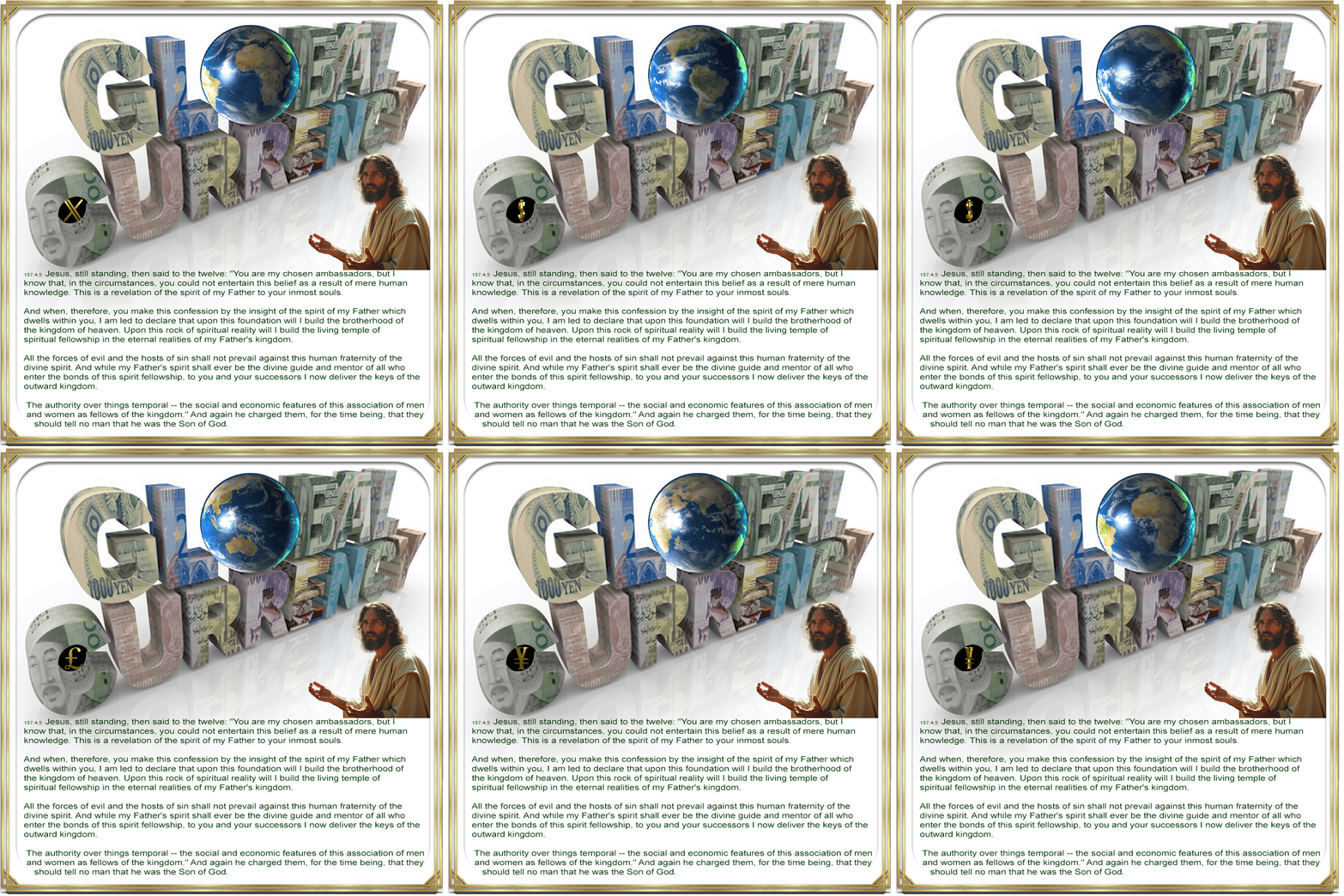
Reflection on Wealth and Oppression In the Urantia Book, Jesus says:
One may wonder what this quote reminds us of ! :
The ethical responsibilities we have towards one another. It highlights that true nobility isn't about how much money we have, but about how we treat others. Let's break this down in simpler terms and relate it to our everyday lives.
Understanding the Quote:
1. Seeking Divine Will: When we strive to understand and follow God's will, we are called to act with kindness and fairness. This means recognizing that all people deserve respect and dignity, not just those who are wealthy or powerful.
2. Oppression of Wealth: The quote warns against using wealth to oppress others. Many times, people with money can exploit those who have less. This exploitation might happen in various forms, such as low wages, unsafe working conditions, or unfair treatment.
3. Nobility and Compassion: Jesus emphasizes that a truly noble person will not pursue wealth through the suffering of others. Instead, they will work to create a world where everyone can thrive together.
Real-World Examples:
Corporate Responsibility: Consider large companies that have been criticized for their labor practices. Some pay their workers low wages while making huge profits. When businesses prioritize profit over people, they contradict the teaching of nobility in the quote. Companies like Patagonia, however, show that businesses can be successful while treating their employees and the environment ethically.
Philanthropy vs. Exploitation: There are many wealthy individuals who engage in philanthropy, donating to causes that help others. For example, Bill Gates has dedicated much of his wealth to global health initiatives. This aligns with the ideals in the quote, as he uses his resources to uplift and support rather than oppress.
Local Communities: Think about your own community. Are there businesses locally that treat their employees fairly? Supporting them can mean choosing to spend our money in ways that encourage ethical practices, reinforcing the idea of a noble society where everyone cares for each other.
Conclusion:
Jesus' words challenge us to reflect on how we use our resources and interact with others. When we prioritize kindness, fair treatment, and community support over wealth accumulation, we embody the true spirit of nobility. In today's world, where inequalities often seem insurmountable, we can start small. Whether it’s choosing to buy from ethical companies, supporting local charities, or advocating for fair labor practices, each action contributes to a more compassionate and equitable world. By embracing these values, we can live out the message of the Urantia Book and create a better society for all.
Ayo.



Ayo Pax


Archives
Tag cloud
Related blogs

I have learned more about this piece,I wish to say something more:
1. Value of Kindness and Compassion: True nobility is about how we treat others, prioritizing kindness over wealth.
2. Ethical Responsibility in Wealth: Accumulating wealth should never come at the expense of others; financial success includes social responsibility.
3. Impact of Actions: Our choices have consequences; supporting ethical practices uplifts communities.
Please share your thoughts
Peace.